Milia Seed Removal

Unlock the secret to pristine, milia-free skin with our specialized Milia Seed Removal service. Milia seeds, those tiny, stubborn white bumps that mar your complexion, no longer have to be a permanent fixture on your skin

ways for milia seed removal

milia seed removal methods
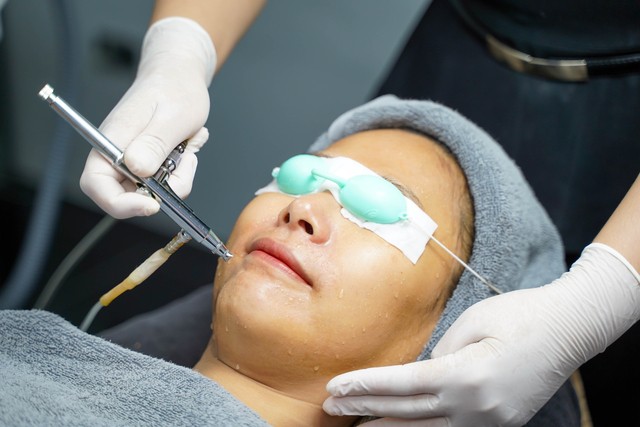
Extraction of Milia Seed in Singapore

Manual Extraction

When it comes to milia removal, manual extraction by a skilled aesthetician during a facial session is one of the most effective and straightforward methods.

The aesthetician uses a sterile needle to create a tiny incision, allowing them to carefully remove the trapped keratin that forms the milium.

This method is particularly effective for newly developed, smaller milia and provides immediate results. However, it’s crucial to have milia removal performed by a well-trained professional to minimize risks such as infection or scarring.

Milia seed removal by Chemical Peel

Chemical Peels

Chemical peels gently exfoliate the outermost layer of dead skin cells, promoting the growth of new, smoother skin and preventing new milia from forming.Light or superficial peels are usually strong enough to treat milia without causing too much discomfort.

During the treatment, a chemical solution is applied to your skin, which might tingle or sting a bit, but it’s generally well-tolerated. Chemical peels are popular for milia removal because they offer bonus benefits like a smoother, more radiant complexion.

Laser Therapy

Laser treatment for milia seed removal uses a focused beam of light to precisely vaporize the milia, offering a minimally-invasive way to achieve clearer skin.

One of the biggest advantages of laser therapy is its accuracy. The laser can target the milia with pinpoint precision, minimizing the risk of damage to the surrounding skin. This means that you’re less likely to experience scarring or other unwanted side effects compared to other milia removal methods.

Another benefit of laser therapy is that it’s relatively quick and easy. The procedure itself usually takes just a few minutes, and you can typically resume your normal activities right away. However, it’s important to keep in mind that laser therapy does come with a higher price tag compared to some other options.
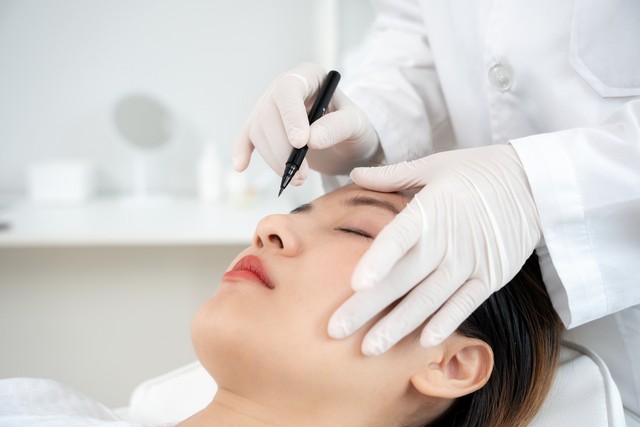
Milia seed removal by electrocauterization

electrocauterization

During this procedure, your skincare professional will use a small probe heated by an electric current to carefully burn away the milia cyst. This destroys the capsule filled with keratin, effectively eliminating the milia in a safe and controlled manner.

One of the great things about electrocautery is that it’s virtually painless. Before the treatment begins, a topical numbing cream is applied to the area to ensure your comfort throughout the procedure.

Electrocautery is a popular choice for milia removal because it’s precise, efficient, and requires minimal downtime. The treated area may be a bit red or tender for a day or two after the procedure, but this typically subsides quickly, and you can resume your normal skincare routine and activities almost immediately.

Our Treatments

Our milia seed removal treatment

At the core of our milia removal service lies a deep commitment to precision and safety. Our highly skilled skincare professionals utilize the most advanced non-invasive or minimally invasive techniques to effectively eliminate milia seeds without compromising the health of the surrounding skin.


Milia Seed removal at Mskin Singapore

milia seed removal by cauterization

Tired of dealing with stubborn milia seeds? Discover our safe and highly effective solutions at our clinic, where we prioritize your skin’s health and your comfort. Our advanced technologies and experienced professionals tailor each treatment protocol to ensure optimal results, providing an efficient and gentle experience that’s both easy on your skin and your wallet.

Before any treatment begins, we’ll conduct a comprehensive consultation to assess your skin and determine the most suitable treatment protocol for your specific type and location of milia. We take into account factors such as your skin type, sensitivity, and overall health to ensure we recommend the safest and most effective approach for you.

Key Benefits of Our Expert Milia Seed Removal:

  • Precision Treatments: Utilize our state-of-the-art techniques specifically targeting milia seeds, meticulously preserving the health and beauty of the surrounding skin.

  • Minimal Discomfort: Experience a gentle procedure designed to minimize discomfort, ensuring a comfortable treatment experience from start to finish.

  • Quick Recovery: Benefit from a fast healing process that allows you to swiftly resume your daily activities with minimal downtime.

  • Reduced Risk of Scarring: Receive comprehensive post-care instructions and top-quality topical treatments to take home, ensuring your skin heals flawlessly and maintains its smooth, clear appearance.

FAQ

Most frequent questions and answers about Milia Seed Removal at MSkin

Milia seeds, commonly referred to as “oil seeds” or “milk spots,” are tiny, white bumps that commonly surface on the skin, particularly around the eyes, nose, and cheeks. Although these bumps are typically small, measuring about 1 to 2 millimeters in diameter, they can occasionally be larger.

Milia develop when keratin, a protein that constitutes skin, hair, and nails, becomes trapped beneath the skin’s surface together with dead skin cells and oils, forming a plug. This plug appears as a white bump through a thin layer of skin.

While milia are generally benign, they can grow in size and number if left untreated, potentially impacting an individual’s self-esteem due to their prominent appearance. It’s important to address milia not just for aesthetic reasons but also to maintain healthy skin hygiene. If you’re concerned about milia, consult with a skincare professional to discuss appropriate treatment options that can effectively manage these skin occurrences.

For effective removal, consulting with dermatologists, doctors, or professional aestheticians is crucial, as they specialize in treating various skin concerns, including milia. These experts can employ several methods for milia removal, tailored to the specific type, location, and quantity of milia present.

The potential procedures for milia removal include:

  • Manual Extraction: A precise technique where milia are carefully extracted using sterile tools.
  • Electrocauterization: Utilizes electric current to burn away the milia, sealing the skin to prevent infection.
  • Ablative Laser: This method involves using laser technology to remove the outer layers of skin, thereby eliminating milia.
  • Hydro-Dermabrasion: A gentler form of dermabrasion that uses water and exfoliative techniques to clear away milia.
  • Chemical Peels: These involve applying a chemical solution that causes the old skin to peel off, promoting new skin growth that is milia-free.

It’s important to seek professional advice from a healthcare provider who can recommend the best treatment method suited to your skin condition, expectations, and lifestyle. 

As we age, natural changes in our skin’s elasticity and cell turnover tend to slow down, which can lead to the accumulation of keratin beneath the skin’s surface. Genetic predispositions also play a significant role, as certain inherited skin conditions like epidermolysis bullosa or Gardner syndrome directly affect how keratin is produced and managed in the body.

Excessive oil production is another common culprit. When the skin produces too much oil, it can mix with dead skin cells and become trapped in pores, forming milia. This process is often exacerbated by sun damage, which thickens and damages the skin, hindering its natural ability to shed dead skin cells efficiently.

Additionally, the use of high viscosity skincare products such as thick creams and lotions can contribute to the development of milia by clogging pores. These products can create a barrier on the skin that traps oil and dead skin cells beneath the surface.

Certain medications that impact skin cell turnover, such as steroid creams and retinoids, can also promote the formation of milia. These medications may alter the way skin regenerates, leading to the buildup of cells that can manifest as milia.

Understanding these triggers is crucial for managing and preventing milia. It’s important to maintain a skincare routine that includes products appropriate for your skin type, ensure proper application of medications, and protect your skin from excessive sun exposure to minimize the risk of developing milia seeds.